
Starting with How to Recognize the Silent Signs of Mental Suffering in Loved Ones, the narrative unfolds in a compelling and distinctive manner, drawing readers into a story that promises to be both engaging and uniquely memorable.
Exploring the depths of mental suffering and its subtle manifestations in loved ones opens up a world of understanding and support that is often overlooked.
Understanding Mental Suffering
Mental suffering encompasses a wide range of emotional and psychological struggles that individuals may experience. It goes beyond temporary feelings of sadness or stress and can significantly impact a person's well-being, relationships, and daily functioning.Common Silent Signs of Mental Suffering
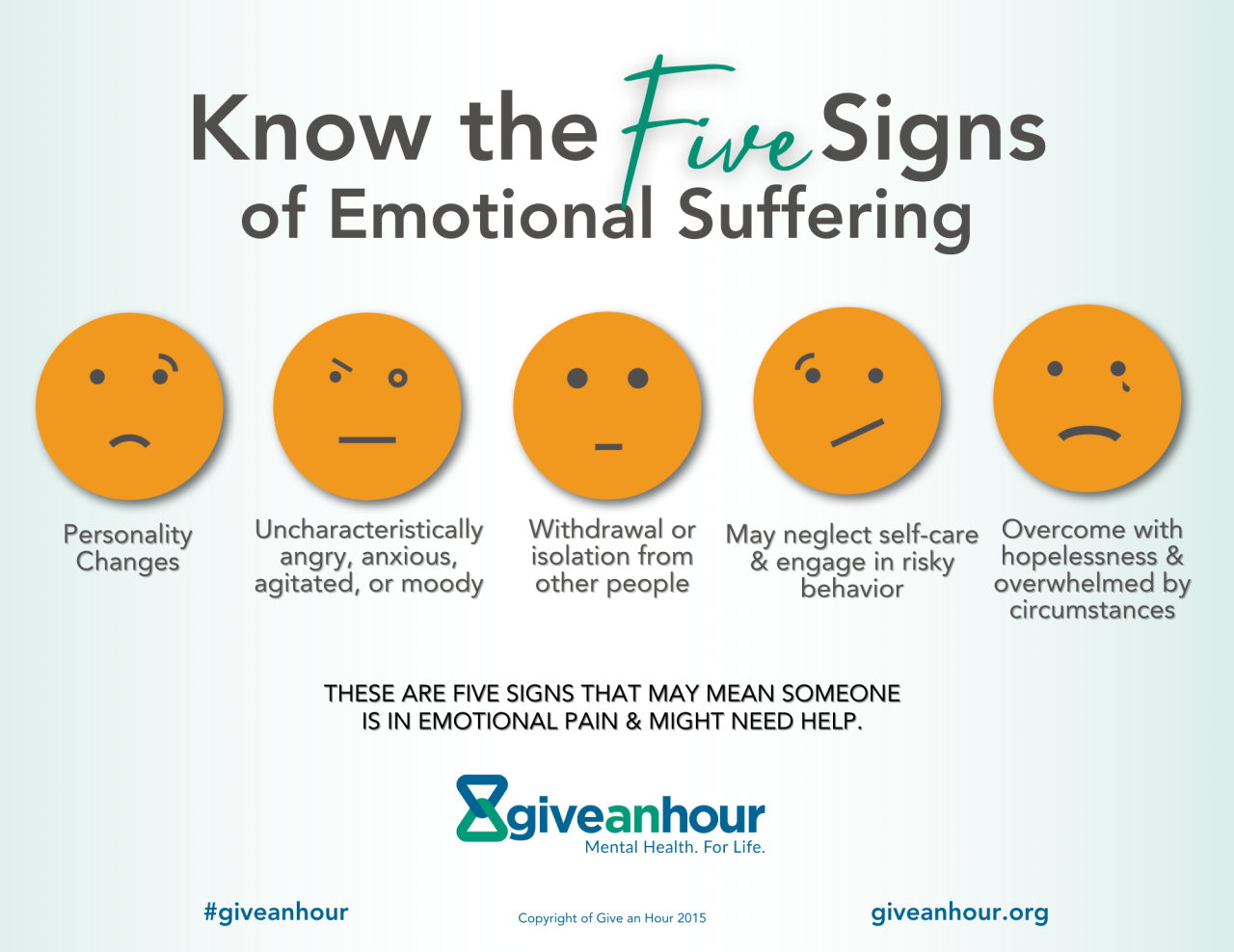
- Withdrawal from social activities and relationships
- Changes in eating or sleeping habits
- Persistent feelings of hopelessness or worthlessness
- Increased irritability or mood swings
- Difficulty concentrating or making decisions
Recognizing these signs is crucial for early intervention as it can help prevent the escalation of mental health issues and provide timely support and treatment for the individual.
Behavioral Changes
Recognizing behavioral changes in loved ones can be crucial in identifying signs of mental suffering. These changes may manifest differently in various individuals, making it important to pay attention to subtle shifts in behavior.
Increased Isolation
One common behavioral change that may indicate mental suffering is increased isolation. This can manifest as withdrawing from social activities, avoiding contact with friends and family, or spending excessive amounts of time alone.
Changes in Sleep Patterns
Another sign to watch for is changes in sleep patterns. This could include insomnia, oversleeping, or irregular sleep schedules. Disrupted sleep can be a key indicator of underlying mental health issues.
Loss of Interest in Hobbies
A subtle shift to look out for is a loss of interest in activities that were once enjoyable. When someone starts neglecting hobbies or interests that used to bring them joy, it could be a sign of mental suffering.
Increased Irritability or Mood Swings
Changes in mood, such as increased irritability, agitation, or frequent mood swings, can also be indicative of underlying mental health concerns. These behavioral changes may be noticeable in interactions with others.
Emotional Cues
When it comes to recognizing the silent signs of mental suffering in loved ones, paying attention to emotional cues is crucial. These cues can provide valuable insights into what someone may be going through internally, even if they are not openly expressing it.Recognizing Emotional Patterns
- Changes in mood that are persistent and intense, such as prolonged sadness, irritability, or anxiety, can be red flags indicating underlying emotional distress.
- Expressions of hopelessness, helplessness, or worthlessness should not be dismissed as mere mood swings, as they could indicate deeper emotional struggles.
- Withdrawal from social interactions, lack of interest in activities once enjoyed, or difficulty in managing daily responsibilities may point towards emotional suffering.
Acknowledging and Validating Emotions
- It is essential to acknowledge and validate the emotions of our loved ones, even if we may not fully understand the reasons behind their distress.
- By creating a safe space for them to express their feelings without judgment, we can help them feel heard and supported in their emotional journey.
- Validating their emotions does not mean condoning unhealthy behaviors or thought patterns, but rather showing empathy and understanding towards their struggles.
Physical Symptoms
 Physical symptoms can also be indicative of underlying mental health issues in loved ones. These manifestations may not always be obvious, but they can provide valuable clues about their mental state. Understanding the connection between physical symptoms and mental suffering is crucial in offering support and intervention.
Common Physical Symptoms Linked to Mental Health Issues
- Headaches or migraines
- Stomach pain or digestive issues
- Fatigue or changes in sleep patterns
- Muscle tension or body aches
- Changes in appetite or weight
- Dizziness or shortness of breath
Connection between Physical Manifestations and Mental Suffering
Physical symptoms such as headaches or stomach pain can often be a result of stress, anxiety, or depression. The body's response to mental distress can manifest in various ways, impacting overall well-being. Recognizing these signs can help in identifying the root cause of the issue and providing appropriate support.
Role of Physical Symptoms in Understanding a Loved One's Mental State
Observing physical symptoms in a loved one can offer insights into their mental health, especially when they may not express their emotions verbally. These signs can serve as a starting point for conversations about their well-being and encourage seeking professional help if needed. Paying attention to physical cues can be essential in understanding and addressing mental suffering in those we care about.
Closing Summary
Concluding our exploration of recognizing silent signs of mental suffering in loved ones, it becomes evident that early intervention and empathy play crucial roles in providing the necessary support and care for those in need.
Query Resolution
What are some common silent signs of mental suffering to look out for?
Some common signs include social withdrawal, changes in sleep patterns, and unexplained physical ailments.
How can one differentiate between normal mood fluctuations and concerning emotional patterns?
It's important to observe the duration and intensity of the emotions. If they persist and significantly impact daily life, it may be a sign of mental suffering.
What role do physical symptoms play in understanding a loved one's mental state?
Physical symptoms can provide clues about underlying mental health issues and should not be ignored when assessing a loved one's well-being.