
Exploring the field of Clinical Mental Health Counseling and its suitability as a career choice, this introduction aims to captivate readers with a compelling narrative.
Providing an in-depth look at the role, responsibilities, and importance of mental health counseling, this overview sets the stage for an informative discussion.
Introduction to Clinical Mental Health Counseling
Clinical Mental Health Counseling is a specialized field within the broader mental health profession that focuses on helping individuals cope with various mental health issues and challenges. Clinical mental health counselors work with clients to address emotional, psychological, and behavioral issues through counseling and therapy.
Role of a Clinical Mental Health Counselor
In society, clinical mental health counselors play a crucial role in providing support and guidance to individuals struggling with mental health concerns. They are trained professionals who offer therapeutic interventions, assessment, and treatment to help clients improve their overall well-being.
Importance of Mental Health Counseling in Society
- Provides a safe space for individuals to express their thoughts and feelings.
- Helps reduce the stigma associated with mental health issues.
- Empowers individuals to develop coping strategies and resilience.
- Promotes overall mental wellness and improved quality of life.
Responsibilities and Duties of a Clinical Mental Health Counselor
- Conducting assessments to identify mental health concerns and develop treatment plans.
- Providing individual, group, and family therapy sessions.
- Offering crisis intervention and support during times of emotional distress.
- Collaborating with other healthcare professionals to ensure holistic care for clients.
Educational Requirements and Training
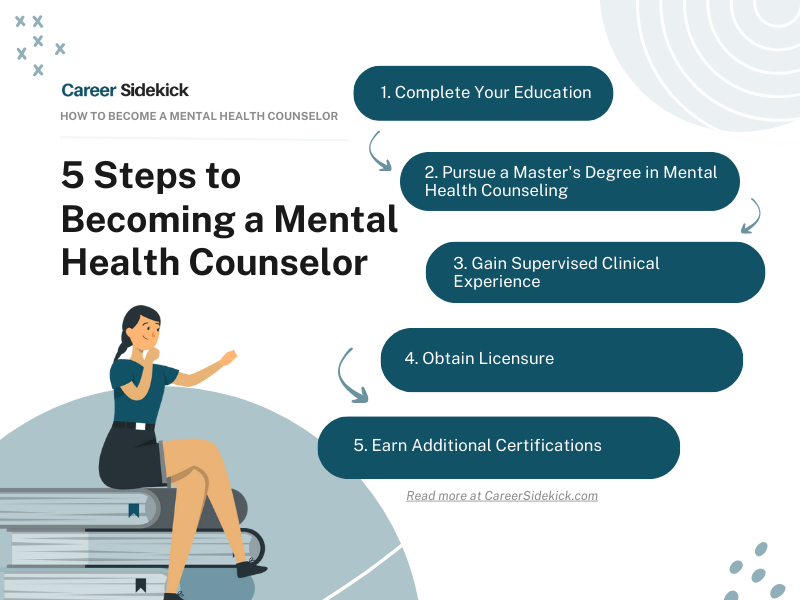
Becoming a clinical mental health counselor requires a specific educational path that includes earning a master's degree in counseling or a related field. This advanced degree is crucial for preparing individuals to work effectively with clients dealing with various mental health issues.Specific Coursework
To become a clinical mental health counselor, individuals must complete coursework that covers a wide range of topics. This coursework typically includes classes in counseling theories, ethics, assessment techniques, multicultural counseling, and psychopathology. Additionally, courses focusing on specific populations, such as children or the elderly, may be required to ensure counselors are equipped to work with diverse clients.Supervised Clinical Experience
One of the most important aspects of training to become a clinical mental health counselor is gaining supervised clinical experience. This hands-on experience allows future counselors to apply their knowledge in real-world settings under the guidance of experienced professionals. Through this supervised experience, individuals can develop their counseling skills, learn how to create treatment plans, and gain valuable insight into the challenges clients may face.Skills and Qualities Needed
Clinical mental health counseling requires a unique set of skills and qualities to effectively help clients navigate through their mental health challenges. These skills are crucial for building trust with clients, fostering a safe space for exploration, and providing meaningful support throughout the counseling process.Interpersonal Skills
Interpersonal skills play a vital role in clinical mental health counseling as counselors work closely with clients to address their emotional and psychological needs. These skills involve active listening, empathy, and effective communication. Counselors must be able to establish rapport with clients, demonstrate empathy, and communicate clearly to ensure that clients feel heard and understood. By actively listening and showing genuine empathy, counselors can create a supportive environment where clients feel comfortable sharing their thoughts and feelings.- Active Listening: Counselors must listen attentively to clients without interrupting, demonstrating their commitment to understanding the client's perspective.
- Empathy: Showing empathy allows counselors to connect with clients on an emotional level, validating their experiences and creating a sense of trust.
- Effective Communication: Clear and concise communication is essential for conveying information, providing feedback, and facilitating meaningful discussions with clients.
Application of Skills in Counseling Sessions
During counseling sessions, these interpersonal skills are put into practice to support clients in exploring their emotions, thoughts, and behaviors. For example, when a client shares a personal experience, the counselor's active listening skills enable them to grasp the underlying emotions and concerns. By demonstrating empathy, counselors can validate the client's feelings and provide a non-judgmental space for self-expression. Effective communication allows counselors to ask probing questions, offer insights, and guide clients towards self-discovery and positive change.Active Listening in Action:
When a client describes feeling overwhelmed at work, the counselor listens attentively, picking up on cues of stress and anxiety, and reflects back these emotions to show understanding.Empathy in Practice:
A counselor expresses empathy by acknowledging a client's feelings of sadness after a recent loss, demonstrating compassion and support through nonverbal cues and verbal affirmations.Effective Communication Example:
By asking open-ended questions and summarizing key points, a counselor helps a client explore the root causes of their anxiety and develop coping strategies.
Work Settings and Job Opportunities
Clinical mental health counselors have the opportunity to work in a variety of settings, catering to different populations and addressing various mental health issues.
Work Settings
- Hospitals: Counselors may work in hospitals providing crisis intervention, assessment, and short-term therapy for patients with mental health concerns.
- Private Practice: Many counselors choose to open their own private practice, offering individual or group therapy sessions to clients.
- Community Mental Health Centers: These centers provide counseling services to individuals in the community, often focusing on underserved populations.
- Schools and Universities: Counselors can work in educational settings, providing support to students dealing with academic, social, or emotional challenges.
Job Opportunities
- Substance Abuse Counselor: Specialize in helping individuals struggling with addiction and substance abuse issues.
- Marriage and Family Therapist: Focus on relationships and family dynamics, providing counseling to couples and families.
- Trauma Counselor: Work with individuals who have experienced trauma, helping them process and heal from their past experiences.
- Child and Adolescent Counselor: Specialize in working with children and teenagers, addressing developmental issues and mental health concerns specific to this population.
Specialization within Clinical Mental Health Counseling
Clinical mental health counselors can choose to specialize in specific areas based on their interests and career goals. Specializations can include but are not limited to:
- Depression and Anxiety
- Post-Traumatic Stress Disorder (PTSD)
- Eating Disorders
- Psychological Testing and Assessment
Challenges and Rewards
Clinical mental health counselors face a variety of challenges in their work, from dealing with clients' traumatic experiences to navigating complex ethical dilemmas. However, the rewards of helping individuals improve their mental health can be incredibly fulfilling and impactful.Emotional Toll and Coping Mechanisms
Clinical mental health counseling can be emotionally demanding, as counselors often hear distressing stories and witness the pain of their clients. This can lead to burnout, compassion fatigue, and vicarious trauma. To cope with these challenges, counselors need to prioritize self-care, seek supervision and support, and establish boundaries to protect their own mental well-being.Rewarding Aspects of the Career
One of the most rewarding aspects of clinical mental health counseling is seeing clients make progress and regain control of their lives. Witnessing the transformation from suffering to healing can be incredibly gratifying. Additionally, building strong therapeutic relationships and making a positive impact on individuals' mental health can bring a deep sense of purpose and fulfillment to counselors.Ethical Considerations
Clinical mental health counselors are held to high ethical standards to ensure the well-being and confidentiality of their clients. It is crucial for counselors to adhere to ethical guidelines to maintain trust and professionalism in their practice.Ethical Guidelines for Clinical Mental Health Counselors
- Counselors must prioritize the welfare of their clients above all else.
- They must obtain informed consent from clients before initiating therapy and clearly explain the limits of confidentiality.
- Counselors should maintain professional boundaries and avoid engaging in dual relationships with clients.
- Confidentiality must be upheld, with few exceptions such as when there is a risk of harm to the client or others.
Examples of Ethical Dilemmas and How to Navigate Them
- An ethical dilemma may arise when a client expresses thoughts of self-harm. In such cases, counselors must balance confidentiality with the need to ensure the client's safety by involving appropriate parties or taking necessary actions.
- Another common ethical dilemma is when a counselor knows a client is engaging in illegal activities. Counselors must navigate this situation by considering the ethical and legal implications while prioritizing the client's well-being.
Importance of Confidentiality and Boundaries
Confidentiality and boundaries are essential in counseling relationships to establish trust and create a safe space for clients to explore their thoughts and emotions. By maintaining strict confidentiality and clear boundaries, counselors can foster a therapeutic alliance built on respect and professionalism.Professional Development and Growth
Professional development and growth are essential components for clinical mental health counselors to stay current in the field and provide the best possible care to their clients.
Opportunities for Professional Development and Advancement
- Participating in workshops, seminars, and conferences related to mental health counseling can provide valuable insights and updates on the latest research and treatment methods.
- Seeking advanced certifications or specializations in areas such as trauma-informed care, substance abuse counseling, or cognitive-behavioral therapy can open up new career opportunities and enhance expertise.
- Joining professional organizations like the American Counseling Association or the National Board for Certified Counselors can offer networking opportunities, access to resources, and chances for leadership roles.
Importance of Continuing Education and Staying Current with Best Practices
- Continuing education allows mental health counselors to enhance their skills, knowledge, and understanding of evolving treatment modalities.
- Staying current with best practices ensures that counselors are providing evidence-based care that meets the highest standards of quality and effectiveness.
- Regularly updating knowledge and skills also helps counselors adapt to changes in the field and address the diverse needs of clients effectively.
Ways for Clinical Mental Health Counselors to Expand Their Skills and Knowledge
- Engaging in supervision and peer consultation can provide valuable feedback, support, and opportunities for reflection on one's clinical practice.
- Reading research articles, books, and journals on mental health topics can deepen counselors' understanding of different theoretical approaches and interventions.
- Participating in case conferences, peer reviews, or interdisciplinary collaborations can broaden counselors' perspectives and enhance their ability to work in a multidisciplinary team.
Summary
In conclusion, this discussion sheds light on the various aspects of Clinical Mental Health Counseling and its potential as a rewarding career path.
Frequently Asked Questions
What qualifications are needed to become a clinical mental health counselor?
To become a clinical mental health counselor, you typically need a master's degree in counseling or a related field, along with supervised clinical experience.
What are some challenges faced by clinical mental health counselors?
Clinical mental health counselors may face challenges such as dealing with clients in crisis, managing heavy caseloads, and ensuring self-care to prevent burnout.
How can clinical mental health counselors advance in their careers?
Clinical mental health counselors can advance in their careers by pursuing specialized training, obtaining certifications, and engaging in continuous professional development opportunities.