
Trip Action Pricing Tiers: What Are You Actually Paying For? sets the stage for this enthralling narrative, offering readers a glimpse into a story that is rich in detail and brimming with originality.
Understanding what exactly you're paying for in trip action pricing tiers is crucial in navigating the realm of travel expenses.
Introduction to Trip Action Pricing Tiers
Trip action pricing tiers refer to the different levels of pricing that travel companies offer for their services. These tiers often come with varying features, benefits, and costs, allowing travelers to choose the option that best suits their needs and budget.
Understanding pricing tiers is crucial in the context of travel because it can significantly impact the overall expenses of a trip. By knowing the different tiers available and what each one offers, travelers can make informed decisions to optimize their spending and maximize the value they receive.
Examples of Impact on Travel Expenses
When it comes to booking flights, pricing tiers can determine factors such as baggage allowance, seat selection, and flexibility in making changes to reservations. Opting for a higher tier may include perks like priority boarding and lounge access, but at a higher cost.
Similarly, in accommodation, pricing tiers can affect room size, amenities, and cancellation policies. Choosing a higher tier for a hotel room may provide additional services such as complimentary breakfast or spa access, but this comes with a higher nightly rate.
Factors Influencing Pricing Tiers
When it comes to travel pricing tiers, several key factors play a significant role in determining the costs associated with different levels of service or accommodations. Understanding these factors can help travelers make informed decisions about their bookings.Demand, Seasonality, and Availability: The demand for travel to a particular destination, along with seasonal fluctuations in popularity, can greatly impact pricing tiers. During peak travel seasons or when demand is high, prices tend to increase due to limited availability of flights, accommodations, and other travel services. Conversely, during off-peak periods or when demand is low, prices may be lower to attract more travelers and fill empty seats or rooms.Competition in the Travel Industry: Competition among airlines, hotels, and other travel providers also plays a crucial role in shaping pricing tiers. When multiple companies offer similar services or routes, they often engage in price wars or promotions to attract customers. This competitive environment can lead to fluctuations in pricing tiers as companies try to outbid each other or differentiate their offerings to appeal to different market segments.Dynamic Pricing Strategies
Dynamic pricing strategies involve adjusting prices based on real-time data and market conditions. This allows travel companies to optimize revenue by setting prices dynamically according to demand, availability, and other factors. For example, airlines may use dynamic pricing to increase ticket prices as seats fill up, while hotels may adjust room rates based on occupancy levels.Package Deals and Bundling
Travel providers often offer package deals or bundled services to attract customers and increase sales. By combining flights, accommodations, and other amenities into a single package, companies can offer discounts or incentives to travelers. This strategy not only helps increase bookings but also allows providers to better manage pricing tiers by offering different packages at various price points.Loyalty Programs and Discounts
Loyalty programs and discounts can also influence pricing tiers in the travel industry. By offering rewards, points, or exclusive discounts to frequent travelers or loyal customers, companies can incentivize repeat business and encourage brand loyalty. These programs can impact pricing tiers by offering special rates or perks to members, ultimately affecting the overall cost of travel for different customer segments.Breakdown of Pricing Tiers
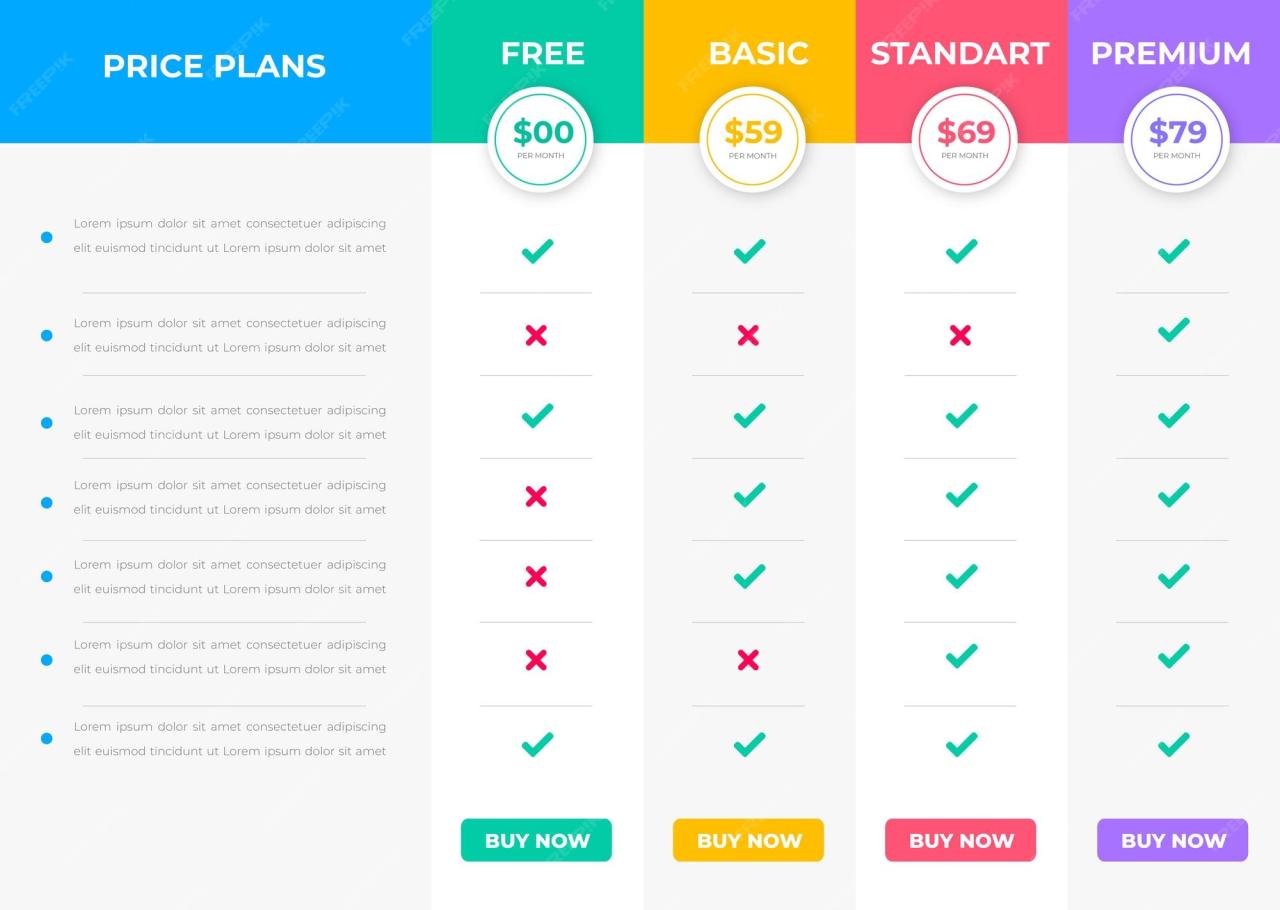
When it comes to pricing tiers for travel packages, it's essential to understand the different components that make up the overall cost. Let's break down these components and compare how different travel companies structure their pricing tiers.
Components of Pricing Tiers
Travel packages typically include various components that contribute to the overall pricing. These can include:
- Flight tickets
- Accommodation
- Transportation
- Meals
- Activities or excursions
Comparison of Pricing Structures
Different travel companies may have varying approaches to pricing their packages. Some companies may bundle all components into a single price, while others may offer a la carte options where travelers can choose what they want to include. It's important to compare these structures to find the best fit for your travel needs and budget.
Influence of Additional Services
Additional services or features can greatly impact the pricing tiers of travel packages
Transparency in Pricing
Transparency in pricing is crucial for consumers as it helps them make informed decisions and build trust with the travel companies they engage with. When pricing tiers are not transparent, consumers may feel deceived or misled, leading to a breakdown in trust and loyalty.Importance of Transparency
- Transparency builds trust: When consumers understand what they are paying for, they are more likely to trust the company and feel confident in their purchase decision.
- Prevents surprises: Transparent pricing ensures that consumers are not caught off guard by hidden fees or unexpected charges, creating a positive customer experience.
- Enhances brand reputation: Companies that prioritize transparency in pricing are seen as honest and reliable, which can strengthen their reputation and attract more customers.
Impact of Lack of Transparency
- Loss of trust: When consumers feel like they are not getting the full picture on pricing, it can erode trust and lead to negative reviews and word-of-mouth publicity.
- Customer dissatisfaction: Hidden fees or unclear pricing structures can leave customers feeling frustrated and dissatisfied with their overall experience.
- Legal implications: Misleading pricing practices can result in legal consequences and damage the company's credibility in the long run.
Strategies for Improving Transparency
- Provide detailed breakdowns: Clearly Artikel what is included in each pricing tier and specify any additional costs or fees upfront.
- Offer price comparison tools: Enable consumers to compare different pricing tiers easily to make an informed decision based on their needs and budget.
- Be upfront about limitations: Clearly communicate any restrictions or limitations associated with each pricing tier to set realistic expectations for consumers.
Value Proposition of Pricing Tiers
When it comes to trip action pricing tiers, the value proposition plays a crucial role in attracting and retaining customers. Different pricing tiers offer various benefits and features that cater to the diverse needs and preferences of travelers. Let's delve deeper into how these pricing tiers enhance the overall value for customers.Catering to Different Customer Segments
- Basic Tier: The basic tier typically appeals to budget-conscious travelers who are looking for essential services at a lower cost. This tier may include standard amenities such as economy class seats and limited baggage allowance.
- Premium Tier: The premium tier targets customers who are willing to pay extra for added comfort and convenience. This tier may offer perks like priority boarding, extra legroom seats, and complimentary meals.
- Elite Tier: The elite tier is designed for luxury travelers who seek exclusive services and personalized experiences. This tier may include access to premium lounges, chauffeur services, and upgraded accommodations.
Enhancing the Value of Each Pricing Tier
- Customization: Travel companies can enhance the value of each pricing tier by offering customization options. This allows customers to tailor their travel experience based on their preferences and priorities.
- Rewards and Loyalty Programs: Implementing rewards and loyalty programs can incentivize customers to upgrade to higher pricing tiers. By offering exclusive benefits and discounts, travel companies can increase the perceived value of each tier.
- Partnerships and Collaborations: Collaborating with other service providers, such as hotels, car rental companies, and tour operators, can add value to each pricing tier. Customers can enjoy bundled packages and seamless travel experiences through strategic partnerships.
Concluding Remarks
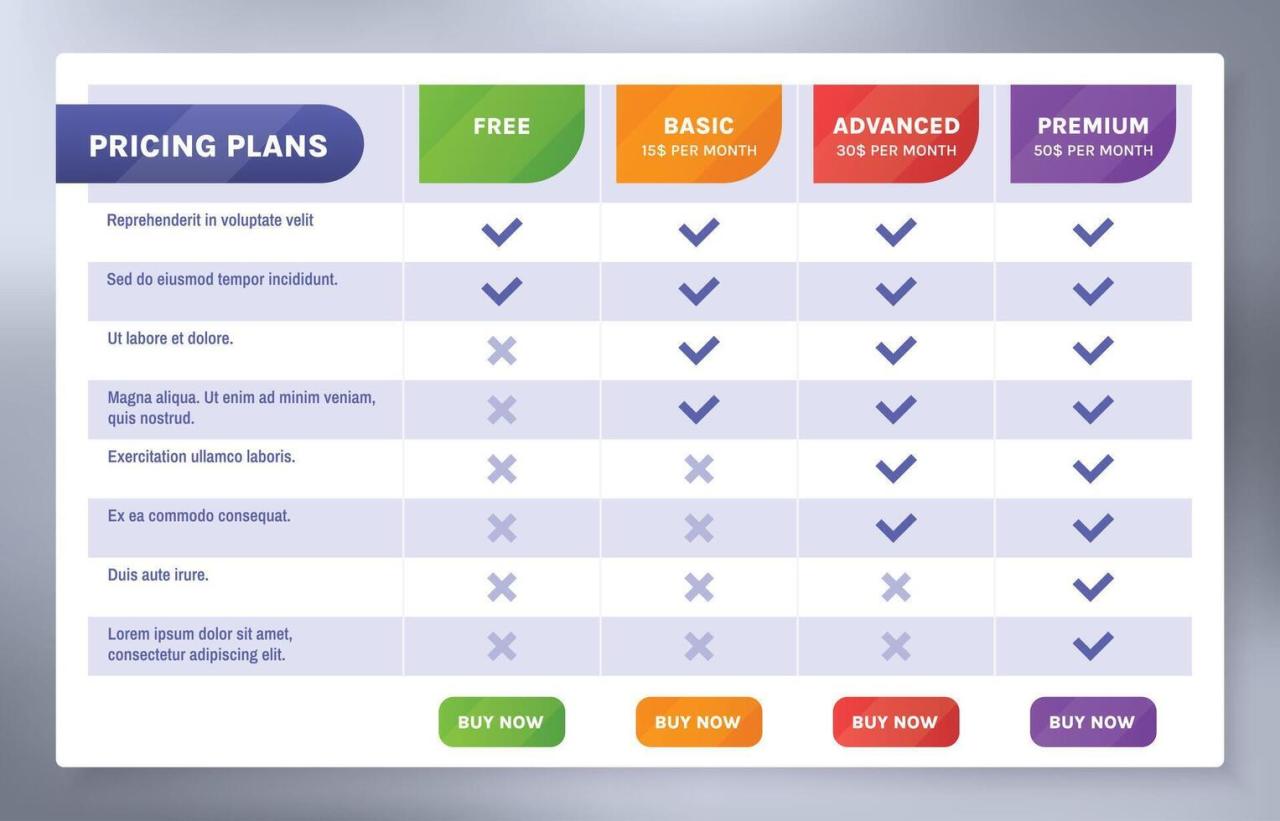
In conclusion, Trip Action Pricing Tiers: What Are You Actually Paying For? sheds light on the intricate world of pricing tiers in travel, emphasizing the importance of transparency and value for consumers.
Expert Answers
What are trip action pricing tiers?
Trip action pricing tiers are different levels of pricing set by travel companies for their services or packages, each offering varying features and costs.
How do pricing tiers impact travel expenses?
Pricing tiers can affect travel expenses by providing different levels of services and features at varying costs, allowing travelers to choose options that best suit their needs and budget.
Why is transparency important in pricing for consumers?
Transparency in pricing builds trust with consumers, as it allows them to understand what they are paying for and make informed decisions when choosing travel services.