
Embark on a journey of wellness with 30 Healthy Habits to Start During This Year's Nutrition Month. Discover the key to a healthier lifestyle through simple yet effective habits that can transform your well-being.
Exploring the significance of developing healthy routines, the following paragraphs delve into the benefits of incorporating these habits into your daily life.
Why Healthy Habits Matter
Developing healthy habits is crucial for maintaining a balanced lifestyle and overall well-being. By incorporating healthy habits into our daily routines, we can significantly improve our physical, mental, and emotional health.
Benefits of Healthy Habits
- Improved Physical Health: Healthy habits such as regular exercise, balanced nutrition, and proper hydration can help prevent chronic diseases like heart disease, diabetes, and obesity.
- Enhanced Mental Well-being: Healthy habits like mindfulness practices, adequate sleep, and stress management techniques can reduce anxiety, depression, and improve cognitive function.
- Increased Energy Levels: Eating nutritious foods, staying active, and getting enough rest can boost energy levels, productivity, and overall vitality.
Positive Impact on Overall Well-being
- Longevity: By adopting healthy habits, individuals can increase their life expectancy and enjoy a higher quality of life in their later years.
- Emotional Resilience: Healthy habits can help individuals cope with stress, build resilience, and maintain a positive outlook on life.
- Improved Self-esteem: Taking care of one's physical and mental health through healthy habits can boost self-confidence and self-esteem.
Nutrition Month and Healthy Eating
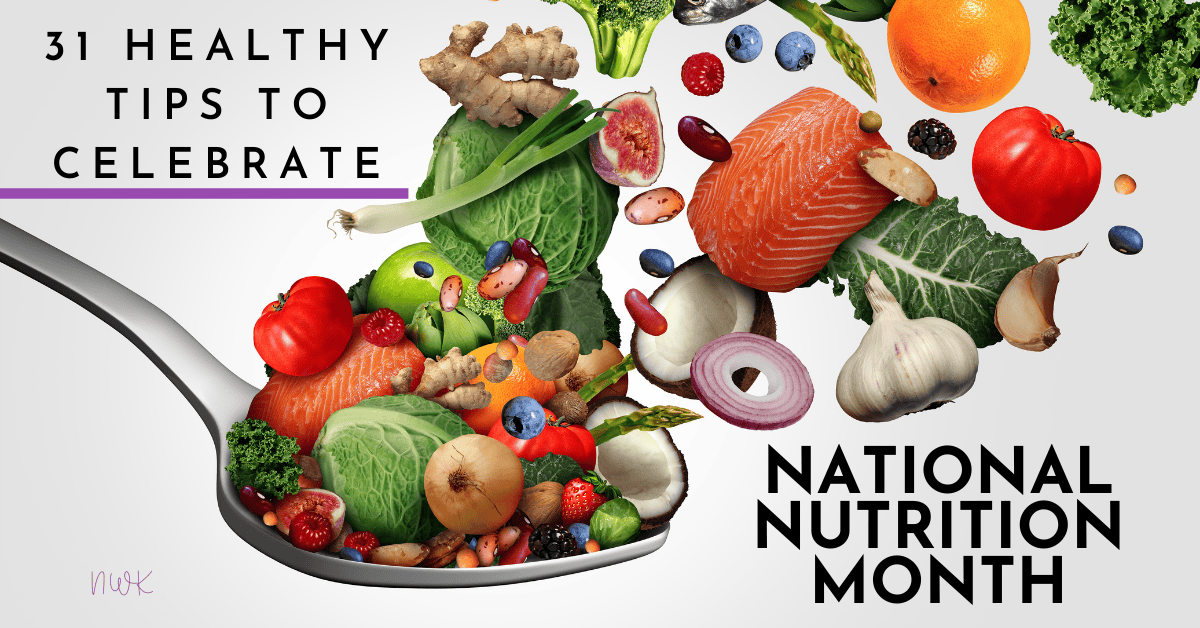 Nutrition Month plays a crucial role in promoting healthy eating habits and raising awareness about the importance of a balanced diet. It serves as a reminder for individuals to focus on nourishing their bodies with essential nutrients and making conscious food choices to support overall well-being.
Tips for Creating a Balanced and Nutritious Diet
Creating a balanced and nutritious diet is key to maintaining good health. Here are some tips to help you achieve this:
- Aim to include a variety of fruits and vegetables in your meals to ensure you get a wide range of nutrients.
- Choose whole grains over refined grains for added fiber and essential nutrients.
- Incorporate lean protein sources such as poultry, fish, beans, and nuts into your diet.
- Limit your intake of processed foods high in added sugars, salt, and unhealthy fats.
- Stay hydrated by drinking an adequate amount of water throughout the day.
- Practice mindful eating by paying attention to your hunger and fullness cues, and avoiding distractions while eating.
The Role of Healthy Eating in Maintaining a Healthy Lifestyle
Healthy eating is a cornerstone of maintaining a healthy lifestyle and has numerous benefits for overall well-being:
- Provides essential nutrients that support bodily functions and promote optimal health.
- Helps in managing weight and reducing the risk of chronic diseases such as heart disease, diabetes, and certain cancers.
- Boosts energy levels and enhances mental clarity, improving productivity and overall quality of life.
- Supports a strong immune system, reducing the likelihood of getting sick and promoting faster recovery.
- Promotes healthy digestion and gut health, aiding in nutrient absorption and reducing digestive issues.
30 Healthy Habits to Start
Incorporating healthy habits into your daily routine can have a significant impact on your overall health and wellness. Here are 30 different healthy habits to start, along with examples of simple changes you can make to adopt these habits and their impact on your well-being.1. Drink Sufficient Water
- Drink at least 8 glasses of water a day to stay hydrated and aid in digestion.
- Carry a reusable water bottle with you to encourage regular hydration throughout the day.
- Staying hydrated can improve skin health, boost energy levels, and support weight loss efforts.
2. Practice Portion Control
- Use smaller plates and bowls to help control portion sizes and prevent overeating.
- Be mindful of serving sizes and avoid eating straight from the package to prevent mindless eating.
- Practicing portion control can help with weight management and improve digestion.
- Aim for 7-9 hours of quality sleep each night to support overall health and well-being.
- Create a relaxing bedtime routine and establish a consistent sleep schedule to improve sleep quality.
- Getting enough sleep is essential for cognitive function, mood regulation, and immune system health.
- Helps in controlling portion sizes and calorie intake.
- Reduces the temptation of unhealthy food choices.
- Saves time and money by avoiding last-minute takeout or dining out.
- Increases consumption of fruits, vegetables, and whole foods.
- Allows for better balance and variety in meals.
- Set aside time each week to plan your meals and create a shopping list.
- Choose recipes that are simple, nutritious, and can be easily prepared in advance.
- Consider batch cooking to prepare meals in bulk for the week.
- Include a mix of protein, carbohydrates, healthy fats, and fiber in each meal.
- Be flexible and open to making adjustments based on your schedule and preferences.
- Prevents impulsive food choices when hunger strikes.
- Makes it convenient to grab a healthy meal or snack on-the-go.
- Reduces stress and decision-making at meal times.
- Encourages mindful eating and appreciation of the food you consume.
- Aids in weight management and overall health improvement.
- Aerobic exercises: such as walking, running, cycling, and swimming, help improve cardiovascular health and endurance.
- Strength training: using weights or body weight exercises like push-ups and squats, helps build muscle mass and increase metabolism.
- Flexibility exercises: including yoga and stretching routines, can improve range of motion and prevent injuries.
- High-intensity interval training (HIIT): alternating between short bursts of intense activity and rest periods, is effective for burning calories and improving fitness levels.
- Avoid distractions while eating, such as watching TV or scrolling through your phone.
- Take time to chew your food slowly and savor each bite.
- Listen to your body's hunger and fullness signals to guide your eating patterns.
- Engage your senses by appreciating the colors, smells, and flavors of your food.
- Acknowledge any emotions or thoughts that may affect your eating behavior.
3. Prioritize Sleep
Meal Planning and Preparation
Meal planning and preparation play a crucial role in maintaining a healthy diet and sticking to healthy eating habits. By taking the time to plan and prepare meals in advance, you can ensure that you have nutritious options readily available, making it easier to make healthy choices throughout the week.
Benefits of Meal Planning
Tips for Effective Meal Planning
Importance of Meal Preparation
Exercise and Physical Activity
Regular exercise plays a crucial role in promoting overall health by improving cardiovascular fitness, muscle strength, flexibility, and mental well-being. When combined with good nutrition, exercise contributes to optimal health and helps in maintaining a healthy weight.Types of Exercises
Importance of Exercise and Nutrition
Regular exercise, when combined with a balanced diet, can help in achieving and maintaining a healthy weight, reducing the risk of chronic diseases like heart disease, diabetes, and obesity. It also boosts mood, energy levels, and overall quality of life. Remember, consistency is key to reaping the full benefits of exercise and nutrition for optimal health.Mindful Eating Practices
Mindful eating is the practice of being fully present and aware of your eating experience. It involves paying attention to the taste, texture, and sensation of each bite, as well as recognizing hunger and fullness cues. This practice can benefit overall health by promoting better digestion, reducing overeating, and increasing satisfaction with food.Tips for Practicing Mindful Eating
Impact of Mindful Eating on Digestion and Food Satisfaction
Practicing mindful eating can lead to improved digestion by allowing your body to properly break down and absorb nutrients from food. By being more in tune with your body's signals, you are less likely to overeat, leading to better satisfaction with your meals. This can also help prevent digestive discomfort and promote a healthier relationship with food.
Last Word
In conclusion, adopting these 30 healthy habits can pave the way for a more vibrant and energetic life. Start this Nutrition Month off right by embracing positive changes that nurture both body and mind.
Common Queries
What are the benefits of developing healthy habits?
Developing healthy habits can lead to improved overall well-being, increased energy levels, and a reduced risk of various health conditions.
How can I create a balanced and nutritious diet during Nutrition Month?
You can create a balanced diet by including a variety of fruits, vegetables, whole grains, lean proteins, and healthy fats in your meals.
Why is meal planning important for maintaining a healthy diet?
Meal planning helps you make healthier food choices, saves time, and reduces the likelihood of relying on unhealthy fast food options.
What role does regular exercise play in promoting overall health?
Regular exercise can improve cardiovascular health, boost mood, increase energy levels, and aid in weight management.
How can mindful eating benefit my overall health?
Mindful eating can help you develop a healthier relationship with food, prevent overeating, and enhance digestion and satisfaction with meals.