

Exploring the realm of Clinical Mental Health Counseling Sessions opens up a world of insight and support for individuals seeking professional help. This guide aims to shed light on the various aspects of counseling sessions, offering a glimpse into the process and what clients can anticipate along the way.
The initial consultation, therapeutic techniques, and building a strong client-counselor relationship are just a few key areas that will be explored in detail, providing a holistic view of what to expect during counseling sessions.
Understanding the Role of a Clinical Mental Health Counselor
Clinical mental health counselors play a crucial role in supporting individuals facing mental health challenges. They provide a safe and non-judgmental space for clients to explore their thoughts, emotions, and behaviors. Additionally, counselors work collaboratively with clients to develop coping strategies, set goals, and navigate through difficult situations.Responsibilities of a Clinical Mental Health Counselor
Clinical mental health counselors are responsible for conducting assessments to understand clients' mental health concerns, providing individual or group therapy sessions, and creating treatment plans tailored to each client's unique needs. They also offer crisis intervention, facilitate communication between clients and their support systems, and advocate for clients within the healthcare system.Supporting Clients in Managing Mental Health Challenges
Counselors support clients by offering empathy, validation, and guidance as they navigate their mental health journey. Through evidence-based therapeutic techniques, counselors help clients build resilience, improve self-awareness, and develop healthy coping mechanisms. They empower clients to make positive changes in their lives and work towards achieving emotional well-being.Importance of Confidentiality in Counseling Sessions
Confidentiality is a cornerstone of the counseling relationship, as it creates a foundation of trust between the counselor and client. Counselors are bound by ethical guidelines to protect clients' privacy and keep all information shared during sessions confidential. This confidentiality ensures that clients feel safe to disclose their innermost thoughts and feelings without fear of judgment or repercussions.Initial Consultation and Assessment Process
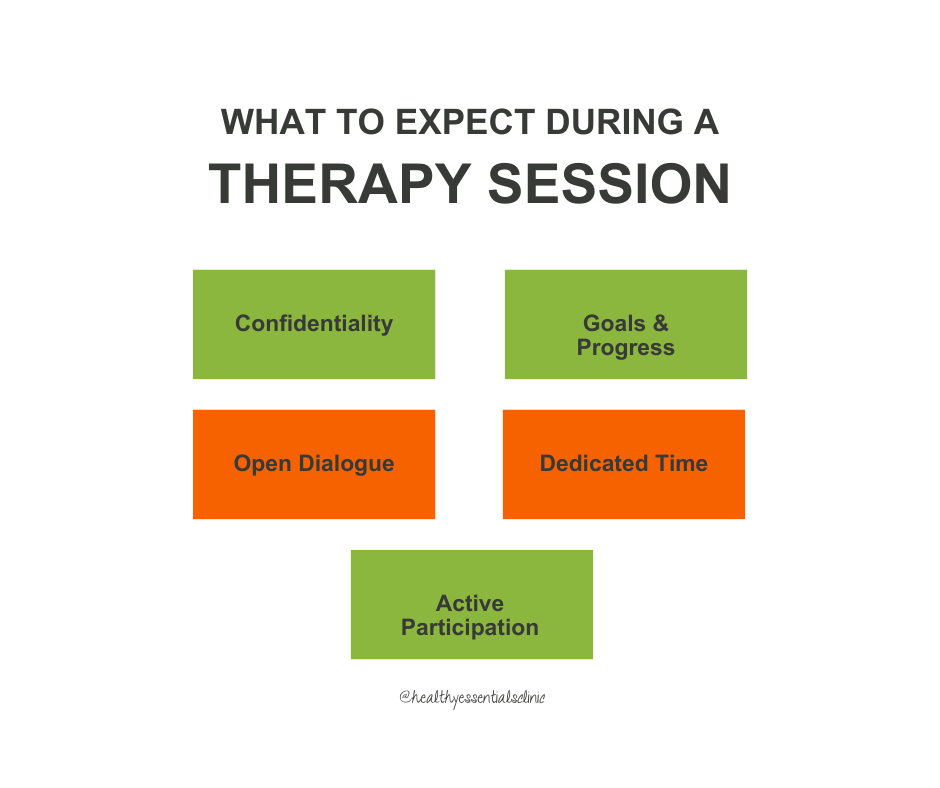 When starting counseling sessions, the initial consultation and assessment process play a crucial role in understanding the client's needs and creating an effective treatment plan.
Steps in the Initial Consultation
- Introductions and building rapport with the client to establish trust and comfort.
- Discussion of the client's reason for seeking counseling and their personal history.
- Assessment of the client's current mental health symptoms and any past treatments.
- Exploration of the client's goals and expectations for therapy.
Assessment and Evaluation of Mental Health
- Counselors use various assessment tools and techniques to evaluate the client's mental health condition.
- They may conduct interviews, use questionnaires, or observe behaviors to gather information.
- Assessment helps in diagnosing mental health disorders, identifying strengths, and determining the best treatment approach.
Setting Treatment Goals
- Setting treatment goals during the assessment process is essential for creating a roadmap for therapy.
- Goals help in tracking progress, measuring success, and providing direction for the counseling sessions.
- Clients and counselors work together to establish realistic and achievable goals that align with the client's needs and aspirations.
Techniques and Therapies Used in Clinical Mental Health Counseling
 In clinical mental health counseling, various therapeutic approaches are utilized to help individuals overcome challenges and improve their mental well-being. These approaches are tailored to meet the unique needs of each client, promoting effective outcomes and personal growth.
Cognitive-Behavioral Therapy (CBT)
- CBT focuses on identifying and changing negative thought patterns and behaviors that contribute to mental health issues.
- Therapists work with clients to challenge irrational beliefs, develop coping strategies, and practice new, healthier ways of thinking and acting.
- CBT is often used to treat anxiety disorders, depression, PTSD, and other conditions.
Mindfulness Practices
- Mindfulness techniques involve cultivating awareness of the present moment without judgment.
- Therapists may guide clients through meditation, deep breathing exercises, and other mindfulness practices to reduce stress and enhance self-awareness.
- Mindfulness has been shown to improve emotional regulation, concentration, and overall well-being.
Client-Centered Therapy
- Client-centered therapy emphasizes the importance of empathy, unconditional positive regard, and genuineness in the therapeutic relationship.
- Therapists create a safe and supportive environment for clients to explore their feelings, thoughts, and experiences.
- This approach helps clients develop self-awareness, self-acceptance, and personal growth.
Establishing a Therapeutic Relationship
Building a strong therapeutic relationship is crucial in clinical mental health counseling as it sets the foundation for effective treatment and positive outcomes. Trust and rapport between the counselor and client are key elements that contribute to the success of therapy sessions.Importance of Building Trust and Rapport
Creating a safe and non-judgmental space where clients feel comfortable sharing their thoughts and emotions is essential for the counseling process to be effective. Trust allows clients to open up and be vulnerable, leading to meaningful progress in therapy.- Active listening and empathy from the counselor help establish trust.
- Consistency and reliability in the counselor's behavior build rapport over time.
- Respect for the client's autonomy and choices fosters a collaborative relationship.
Creating a Safe and Supportive Environment
Counselors work to ensure that the therapy setting is conducive to healing and growth. By maintaining confidentiality, providing emotional support, and offering validation, counselors create an environment where clients feel understood and respected.It is essential for counselors to prioritize the well-being and safety of their clients at all times.
Boundaries and Ethical Considerations
Establishing clear boundaries is crucial in maintaining a professional therapeutic relationship. Counselors adhere to ethical guidelines to ensure that the client's best interests are always protected, and potential conflicts of interest are avoided.- Respecting boundaries helps build trust and creates a sense of safety for the client.
- Ethical considerations include informed consent, confidentiality, and professional conduct.
- Discussing boundaries openly with the client promotes transparency and trust in the therapeutic relationship.
Last Recap
In conclusion, embarking on a journey of Clinical Mental Health Counseling Sessions can be a transformative experience, filled with growth, self-discovery, and healing. By understanding the roles, processes, and techniques involved, individuals can approach these sessions with confidence and optimism, knowing they are on the path to better mental well-being.
FAQ Resource
What can I expect during my first counseling session?
During your initial consultation, the counselor will ask about your reasons for seeking therapy, gather background information, and discuss what you hope to achieve from the sessions.
How long do counseling sessions typically last?
Most counseling sessions last around 50 minutes to an hour, but the duration can vary depending on the counselor and the needs of the client.
What happens if I need to cancel or reschedule a counseling session?
It's important to inform your counselor as soon as possible if you need to cancel or reschedule a session. Many counselors have a cancellation policy in place.
How do counselors ensure client confidentiality?
Counselors adhere to strict confidentiality guidelines and only share information with permission or when required by law to ensure client privacy and trust.
What if I'm not comfortable with my counselor?
If you feel uncomfortable or not a good fit with your counselor, it's important to communicate this openly. Counselors can help you find a better match for your needs.